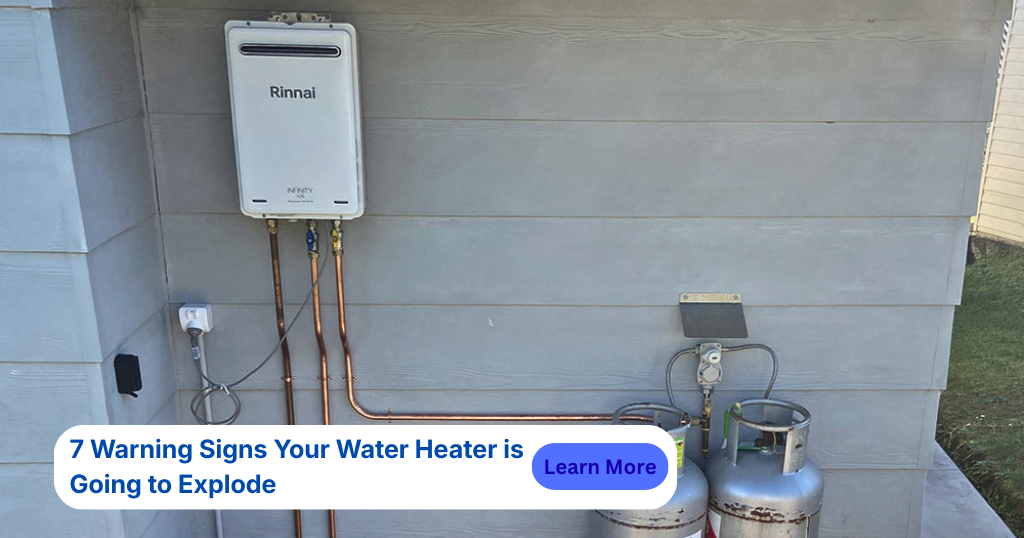
A water heater often gives warning signs before a serious failure happens. Strange sounds like popping or rumbling can point to sediment buildup inside the tank. Leaks, a faulty pressure relief valve, rusty or discolored water, or a rotten egg smell may signal gas issues, corrosion, or rising pressure.
If your unit is old or showing any of these problems, it needs immediate professional attention to avoid dangerous overheating or a possible explosion.
Key Warning Signs of Water Heater Explosion
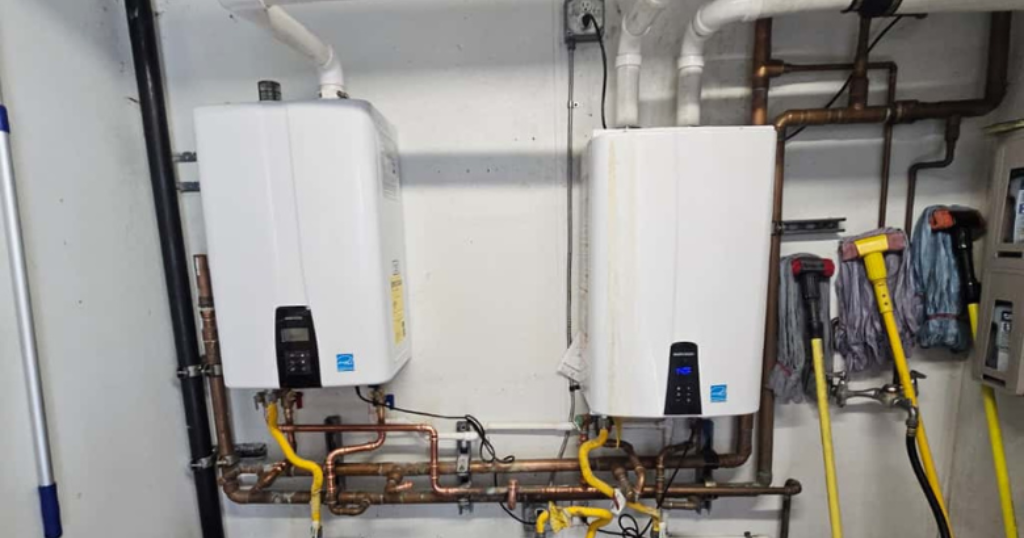
1. Rumbling or Popping Noises
Loud banging or popping often means sediment buildup. This can overheat the tank and raise pressure dangerously.
2. Leaking Pressure Relief Valve
A constantly leaking T&P valve shows the tank pressure is too high. Don’t ignore repeated drips.
3. Rust or Corrosion
Rust spots, flaking metal, or orange discoloration weaken the tank. Corrosion inside can lead to sudden failure.
4. Hot Water Fluctuations
Water getting too hot unexpectedly may mean a faulty thermostat or heating element, increasing pressure risks.
5. Water Leaks Around the Heater
Puddles or drips indicate cracks, loose fittings, or tank deterioration. Small leaks can become serious fast.
6. Brown or Rusty Hot Water
Discolored water often signals corrosion inside the tank or pipes. It’s a warning your heater may be wearing out.
7. Metallic or Burning Smell
A metallic taste or burning odor shows overheating or failing components. Immediate attention is needed.
What happens if a Water Heater Explodes?
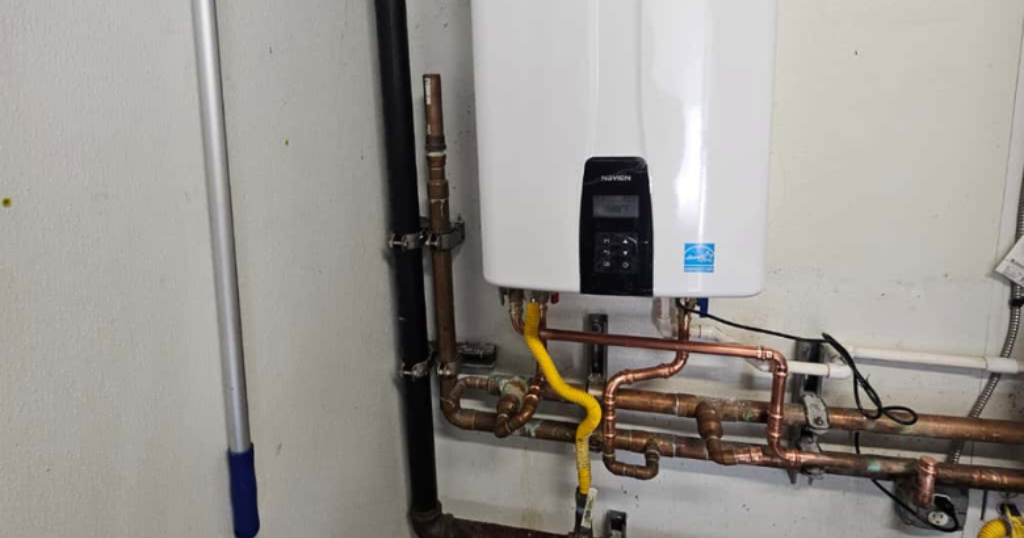
When a water heater bursts, it can flood your home, damage floors, walls, and belongings, and create electrical hazards. Scalding water or steam can cause burns, and in rare cases, the tank can explode if safety valves fail.
If this happens, turn off the water, power, and gas immediately. Call a professional to handle repairs and cleanup safely. Most homeowner’s insurance policies cover the damage, but quick action is key to prevent further harm to your property and family.
What Causes a Water Heater to Explode?
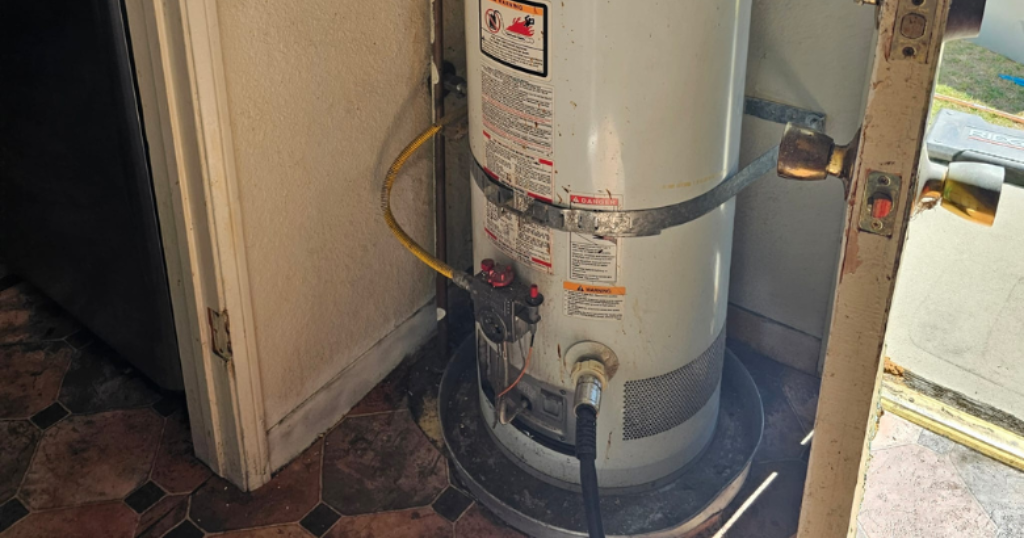
A water heater can explode when pressure inside the tank gets too high. This often happens if the safety (T&P) valve fails due to sediment buildup, corrosion, or a faulty thermostat.
Gas leaks in gas-powered heaters can also ignite, turning the unit into a serious hazard. Blocked or broken T&P valves and neglected maintenance are the main reasons explosions occur, posing risks of injury and major property damage.
How Long can Water Heater Explode if turned Off
A water heater won’t explode just because it’s turned off. In fact, shutting off the power and water is the safest step if you notice leaks, banging noises, or rusty water.
However, if the tank or T&P valve is already damaged, it could still fail, so always act quickly to prevent dangerous pressure buildup.
How Regular Maintenance Can Prevent a Water Heater Explosion?
Preventing a water heater explosion is all about staying ahead of problems.
- Flush the Tank: Drain once or twice a year to remove sediment and prevent overheating.
- Test the T&P Valve: Ensure it releases pressure properly to avoid dangerous buildup.
- Check for Leaks: Spot leaks early to prevent rust and tank damage.
- Replace the Anode Rod: Protects the tank from corrosion and extends its life.
- Thermostat Checks: Keep temperature below 120°F to prevent overheating.
- Gas and Vent Inspections: Detects leaks or airflow issues in gas heaters to reduce fire risk.
Are Electric Water Heaters Safe from Explosions?
Electric water heaters are generally safe and rarely explode because they include built-in safety features like temperature and pressure (T&P) relief valves.
However, failures can still occur if the valve malfunctions, the thermostat overheats the water, or heavy sediment buildup causes dangerous pressure levels.
Regular maintenance and early attention to warning signs greatly reduce the risk.
Is Your Electric Water Heater at Risk of Exploding?
Yes, an electric water heater can explode, though it’s rare. Excessive pressure from a faulty T&P valve, thermostat issues, or heavy sediment buildup can cause serious damage, injury, or even death.
Regular maintenance and watching for warning signs like popping noises, leaks, or rusty water are essential to stay safe.
Can a Hot Water Tank Explode; Rare but Dangerous – Are You at Risk
Yes, a hot water tank can explode, though it’s rare. Most explosions happen from high pressure, a failed safety valve, sediment buildup causing overheating, or a gas leak, which can turn the tank into a dangerous projectile or start a fire.
Regular maintenance and working safety features prevent most of these incidents and keep your home safe.
Reliable Local Help for Residential Fire and Water Damage
If your hot water heater has caused damage, or you’re worried it might, All Bros Plumbing is here to help. Residential and Commercial Areas can rely on our local experts who know how climate affects water heaters.
From fire and water damage restoration to safety inspections, our trained technicians act quickly to help you recover and prevent future problems.
Frequently Asked Questions
How to know if a water heater is about to explode?
Look for warning signs like popping or rumbling noises, leaking pressure valves, rusty or discolored water, unusual smells, and visible corrosion.
What are the first signs of a water heater going bad?
Early signs include inconsistent water temperature, strange noises, leaks around the tank, rusty water, and a rotten egg smell from gas leaks.
How would a plumber know a water heater is going to fail or burst soon?
Plumbers check for corrosion, sediment buildup, leaking T&P valves, malfunctioning thermostats, and gas line issues.