Did you know that installing a water heater is not just a simple task, but also a way to save money and protect your house? When installing an electric water heater, the best tip is always to check the wiring and the breaker first to preserve safety and smooth operation. For a gas water heater, it is very important to make sure the gas line and venting system are leak-free and positioned correctly.
This small step keeps your home safe and extends your heater’s life span. These simple preparations make the installation easy, secure, and effective, and every homeowner can benefit from knowing these tips to save time and money.
Understand Your Water Heater Type
Electric Water Heater
An electric heater uses electricity to heat water and is usually simple to install. Before turning on the heater, it is important to check the wiring and breaker first to assure that the heater is safe and efficient. Proper installation will help your electric water heater last longer and maintain a continuous hot water supply.
Gas Water Heater
A gas water heater uses natural gas to heat up water, so proper ventilation is a must to avoid harmful gas buildup. The gas line must be leak-free and strong. Correct preparation makes the installation safe and the gas water heater last longer.
Tank and Tankless Options
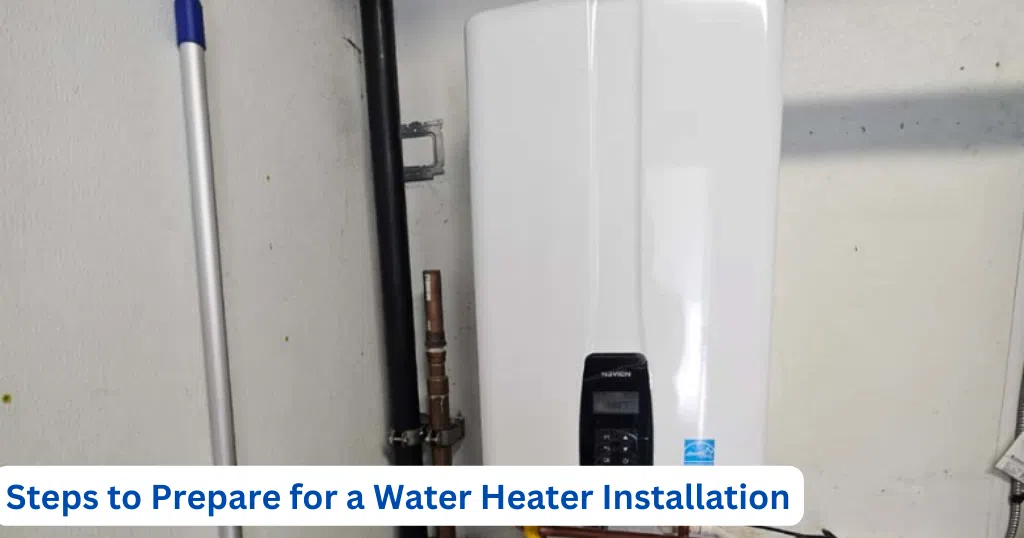
A tank water heater is easy to install and use, but it consumes more space. A tankless water heater is more energy efficient and saves space, but installation is more complicated. These differences will enable you to select a suitable water heater for your own house.
Additional Accessories
The accessories, such as an expansion tank, drain pan and safety valves, enhance the performance and safety of your water heater.
They regulate water pressure, avoid leaks, and protect your plumbing system. Using the right accessories ensures your water heater works efficiently for years.
Essential Tools and Materials You Need
Basic tools such as a wrench set, screwdrivers, a pipe cutter, and Teflon tape are required in any water heater installation. These are used to secure the plumbing joints properly to avoid leaks and have a safe and easy installation.
Here are the essential tools needed for different water heater installations, along with which tools work best for each type.
Electric Water Heater Tools
For an electric water heater, a voltage tester, a wire stripper, and electrical connectors are essential. They will help you check for live electricity, connect the wires safely, and ensure the heater operates without electrical risk.
Tools for Gas Water Heater
A gas water heater installation requires pipe wrenches, venting tools and a gas leak detector. These tools help secure the gas line, check for dangerous gas leaks, and ensure proper ventilation so the heater runs safely.
Safety Measure
Always use gloves and safety goggles during installation. They protect you from sharp tools, hot pipes, and electrical or gas-related risks.
Preparing Your Home for Water Heater Installation
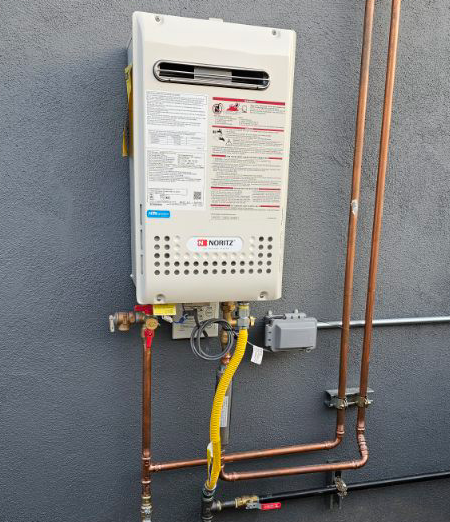
Here are some steps to prepare your home safely for water heater installation, ensuring a smooth, problem-free setup.
- Before starting, turn off the water supply, power breaker, and gas valve to keep the installation safe.
- Remove all objects around the space, check for proper ventilation and drainage.
- Make sure the floor is strong enough to support the water heater.
- Inspect pipes and fittings for leaks, rust, or damage so the new heater connects properly.
- For electric heaters: make sure the wiring and the breaker are ready.
- For gas heaters: confirm the gas line and venting system are secure and leak-free.
- Add Install optional items like dielectric fittings, safety valves, or extra support brackets to improve safety and extend the heater’s lifespan.
Effective Water Heater Installation Steps
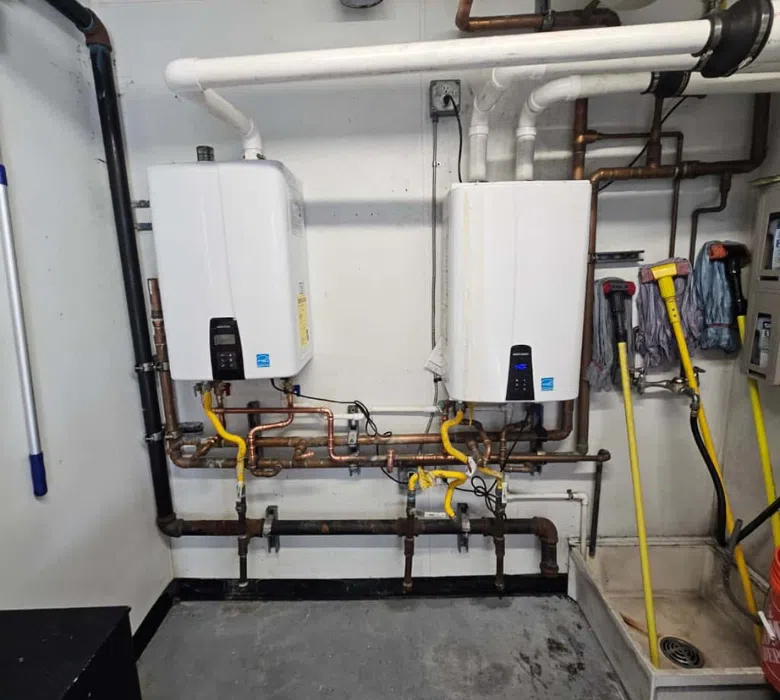
Installing a water heater correctly is important for safety, efficiency, and long-lasting performance. Follow these general steps:
- Place the water heater on a stable, level surface with enough space for maintenance and proper ventilation.
- Make sure it sits securely on the floor or is mounted safely on the wall.
- Attach the inlet and outlet pipes using proper fittings and sealants to prevent leaks.
- Safely connect the electricity or the gas line according to the manufacturer’s instructions. Turn off the breaker or gas supply while connecting.
- Install the vent or exhaust (if needed) for gas heaters to safely release fumes outside the home.
- Open the main water line and fill the tank, checking all connections for leaks.
- Turn on the electricity or gas, and test the heater to verify it works safely and efficiently.
- Inspect all connections, pipes, and vents one last time to make sure everything is secure and safe.
Following these steps helps your water heater work efficiently, keeping your home safe and comfortable.
Important Safety Checks Before Installing a Water Heater
Water heater installation involves electricity, water, or gas, so safety is the top priority. Follow these tips to protect yourself and your home:
- Always inspect all water and gas connections for leaks before turning on the heater.
- Especially for gas water heaters, make sure the area is well-ventilated to prevent dangerous gas buildup.
- Always wear gloves, goggles, and protective clothing while handling tools, wiring, or gas lines.
- If any step feels risky, such as complex wiring or gas adjustments, its better not to risk your life, call the professional plumber instead,
All Bros plumbing has certified experts who safely handle your water heater installation and makes sure everything is leak free and fully secure.
When You Need to Hire an Expert for Your Water Heater
Sometimes hiring a professional plumber for your heater installation is the safest and smartest choice. Electric and gas heaters have complex wiring or gas connections that can be dangerous if done incorrectly.
A professional ensures the installation is safe and leak-free, while also protecting your warranty. Choosing an expert saves you time, reduces stress, and avoids costly repairs.
Conclusion
Turn off water, electricity, and gas, clear the area, check ventilation, and inspect all pipes. For electric heaters, mount the unit, connect water lines and wiring, and test for leaks and power.
For gas heaters, place it in a ventilated area, connect water and gas lines, install the vent, and check for leaks before ignition. Always follow safety tips, wear protective gear, and call professionals like All Bros Plumbing for any risky steps. With proper installation and regular maintenance, your water heater will run efficiently, safely, and reliably providing hot water whenever you need it.
Frequently Asked Questions
What tools are needed for water heater installation?
Basic tools include a wrench set, screwdrivers, pipe cutter, Teflon tape, plus voltage tester and wire stripper for electric heaters, or pipe wrenches and gas leak detector for gas heaters.
Should I hire a professional for water heater installation?
Yes, for complex wiring or gas connections, hiring a certified plumber like All Bros Plumbing ensures safety, proper installation, and protects your warranty.
How to prepare plumbing connections for water heater installation?
Check all pipes, fittings, and valves for leaks or corrosion, and check electric or gas lines are properly ready before starting the installation.
How to maintain a water heater after installation?
Regularly flush the tank, check for leaks, inspect valves, and keep the area clean to maintain efficiency and extend the heater’s lifespan.
What is the warranty coverage for water heaters?
Most manufacturers cover parts and defects under warranty, but professional installation is often required to keep the warranty valid.