A small plumbing issue doesn’t stay small for long. A dripping faucet, slow drain, or hidden pipe leak wastes water, increases your utility bills, and damages your home if left unrepaired.
Regular home plumbing maintenance helps you catch small problems before they become expensive repairs. It keeps your plumbing system running efficiently, protects your fixtures, and reduces the risk of unexpected emergencies.
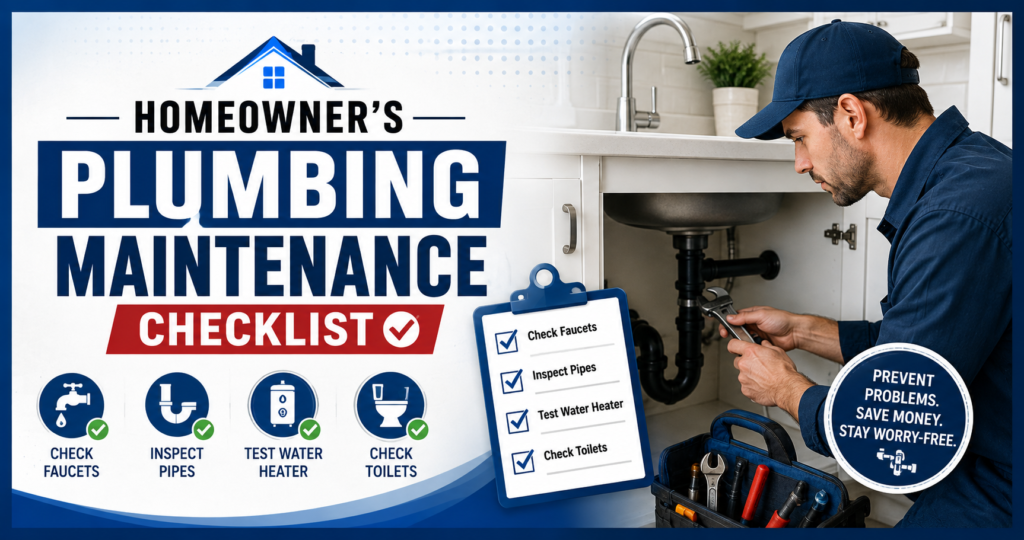
This plumbing maintenance checklist for homeowners shows you what to inspect every month, season, and year. You’ll also learn simple DIY maintenance tips, warning signs to watch for, and when it’s time to call a professional plumber.
What Is a Plumbing Maintenance Checklist?
A plumbing maintenance checklist for homeowners is a routine schedule of inspections and maintenance tasks that keeps your home’s plumbing system in good condition.
It includes checking for leaks, testing water pressure, cleaning drains, inspecting plumbing fixtures, and scheduling annual inspections to prevent costly repairs and extend the life of your plumbing system.
Key Takeaways
- Regular plumbing maintenance helps prevent expensive repairs.
- Monthly inspections identify small leaks before they become major problems.
- Seasonal maintenance protects your plumbing system throughout the year.
- Annual inspections uncover hidden plumbing issues early.
- Homeowners handle basic maintenance, while licensed plumbers should repair complex plumbing problems.
- Preventive maintenance improves efficiency and extends the life of your plumbing system.
Why Regular Plumbing Maintenance Matters
Your plumbing system works every day, so it’s easy to overlook it until something goes wrong. By that point, a small leak often turns into water damage, mould growth, or an expensive repair.
Routine home plumbing maintenance helps you find problems early, keeps water flowing properly, protects your fixtures, and improves your plumbing system’s overall performance.
Regular maintenance helps you:
- Prevent hidden leaks
- Reduce water waste
- Avoid emergency plumbing repairs
- Extend the life of pipes and fixtures
- Protect walls, floors, and cabinets from water damage
- Maintain consistent water pressure
According to EPA WaterSense, household leaks waste thousands of gallons of water every year when they go unrepaired.
Monthly Plumbing Maintenance Checklist
A monthly inspection takes only a few minutes and helps prevent many common residential plumbing problems.
Start with the areas below and make plumbing maintenance part of your regular home care routine.
Check Faucets and Visible Pipes for Leaks
Even a slow drip wastes a surprising amount of water over time.
Walk through your kitchen, bathrooms, laundry room, and garage. Check every faucet for drips and inspect exposed pipes for moisture, corrosion, or mineral deposits.
Test Your Water Pressure
Water pressure should stay steady throughout your home. Pressure that’s too low affects daily tasks, while pressure that’s too high places extra stress on pipes, fixtures, and appliances.
Turn on several faucets and watch for sudden pressure changes.
Inspect Toilets for Silent Leaks
Some toilet leaks remain hidden for weeks without making any noise.
Add a few drops of food colouring to the toilet tank and wait about 15 minutes without flushing. If colour appears in the bowl, the toilet has a leak.
Clean Sink and Shower Drains
Hair, grease, soap residue, and food particles gradually collect inside drains. Cleaning them regularly keeps water flowing freely and helps prevent stubborn clogs.
Check Under Kitchen and Bathroom Sinks
Open every cabinet and inspect the plumbing underneath.
Look for moisture, mould, water stains, loose fittings, or leaking supply lines.
Test Your Garbage Disposal
Run cold water and switch on the garbage disposal for a few seconds.
Listen for unusual noises, check underneath for leaks, and make sure food waste clears properly.
Seasonal Plumbing Maintenance Checklist
Every season brings different challenges for your plumbing system. Checking a few key areas throughout the year helps prevent unexpected repairs and keeps your home running smoothly.
Spring Plumbing Checklist
Winter can leave hidden damage behind. Spring is the perfect time to inspect your plumbing before temperatures rise.
Check Outdoor Faucets and Hose Bibs
Turn on each outdoor faucet and look for leaks, cracks, or weak water flow.
Inspect Exposed Pipes
Walk around your basement, crawl space, or garage and look for corrosion, moisture, or loose pipe supports.
Small signs of wear are much easier and less expensive to repair before they become leaks.
Clean Gutters and Downspouts
Although they aren’t part of your plumbing system, clogged gutters can direct water toward your home’s foundation.
Too much water around the foundation may eventually affect underground plumbing lines.
Summer Plumbing Checklist
Summer often means higher water usage because of gardening, outdoor cleaning, guests, and family activities.
Check Your Irrigation System
Inspect sprinkler heads, irrigation lines, and outdoor valves for leaks.
Even a small leak can waste a significant amount of water throughout the season.
Test Water Pressure Again
Higher water demand sometimes exposes pressure problems that weren’t noticeable during cooler months.
If pressure changes suddenly, don’t ignore it.
Watch for Slow Drains
Summer gatherings often mean more cooking and higher drain usage.
Kitchen grease and food scraps can build up quickly.
If your drains stay slow after basic cleaning, scheduling professional Drain Cleaning Services can help prevent larger blockages before they reach your main sewer line.
Fall Plumbing Checklist
Fall is the best time to prepare your plumbing for freezing temperatures.
Disconnect Garden Hoses
Leaving hoses connected can trap water inside outdoor pipes.
When temperatures drop, trapped water expands and increases the risk of frozen pipes.
Insulate Exposed Pipes
Wrap pipes located in garages, crawl spaces, attics, and other unheated areas.
Pipe insulation is one of the easiest ways to reduce the risk of freezing during winter.
Test Your Water Heater
As temperatures cool, your water heater works harder.
Listen for unusual sounds, check for rust around the tank, and inspect for leaks.
If your system struggles to provide enough hot water, it may be time to schedule a professional inspection instead of waiting for a complete breakdown.
Winter Plumbing Checklist
Winter places the most stress on residential plumbing systems.
A few preventive steps now can help you avoid burst pipes and costly water damage later.
Keep Indoor Pipes Warm
Open cabinet doors beneath sinks on exterior walls so warm air can circulate around plumbing.
Let Faucets Drip During Freezing Weather
Allowing a small trickle of water to flow helps reduce pressure inside pipes during extreme cold.
Know Where Your Main Water Shut-Off Valve Is
Every homeowner should know how to quickly turn off the home’s water supply.
If a pipe bursts, shutting off the water immediately can significantly reduce property damage.
Annual Home Plumbing Inspection Checklist
Some plumbing issues develop slowly and remain hidden for months.
An annual inspection helps identify these problems before they become emergencies.
Flush Your Water Heater
Over time, minerals settle inside the tank.
Flushing the water heater removes sediment that reduces efficiency and shortens the unit’s lifespan.
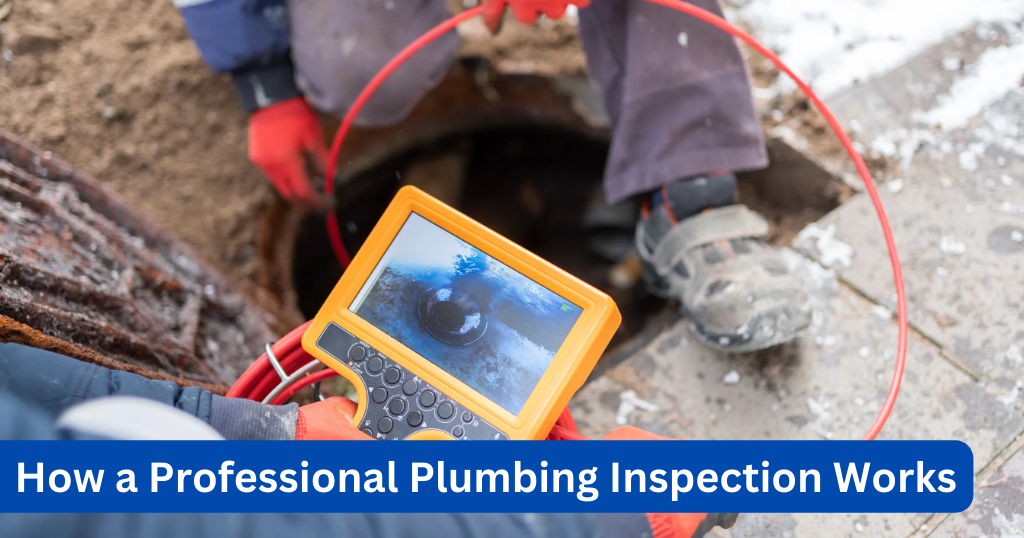
Inspect Your Sewer Line
Many homeowners don’t think about the sewer line until it backs up.
An annual inspection is especially valuable if your home is older or surrounded by mature trees.
Warning Signs
- Multiple drains clogging together
- Gurgling toilets
- Sewer odors indoors
- Frequent backups
These symptoms often point to a deeper sewer problem rather than a simple drain clog.
If you notice any of these signs, scheduling a professional inspection through Sewer Line Repair & Installation services can help identify the problem before it becomes a costly emergency.
Test Shut-Off Valves
Turn each shut-off valve on and off once a year.
This simple step helps prevent valves from becoming stuck when you need them most.
Inspect Washing Machine and Dishwasher Hoses
Flexible water supply hoses wear out over time.
Look for:
- Cracks
- Bulges
- Corrosion
- Loose fittings
Replacing an aging hose is much less expensive than repairing water damage after it bursts.
Schedule a Professional Plumbing Inspection
Even careful homeowners can’t see every hidden plumbing issue.
A licensed plumber can inspect your plumbing system, identify developing problems, and recommend repairs before they become emergencies.
Routine residential plumbing maintenance often costs far less than emergency repairs caused by neglected plumbing.
Plumbing DIY Maintenance Tips Every Homeowner Should Know
Many routine maintenance tasks are safe to handle yourself.
You can:
- Check for visible leaks
- Clean faucet aerators
- Test toilet leaks
- Inspect exposed pipes
- Clean drain strainers
- Flush the water heater (if recommended by the manufacturer)
- Check water pressure
Common Plumbing Problems You Should Never Ignore
Small plumbing issues rarely stay small.
Watch for these warning signs:
Multiple Slow Drains
Several slow drains usually indicate a blockage deeper within your plumbing system.
Sewer Smells
Persistent sewer odors often suggest a damaged sewer line or failing drain trap.
Water Stains
Brown stains on ceilings or walls often point to hidden leaks.
High Water Bills
An unexpected increase in your water bill may indicate a hidden leak somewhere inside your home.
Low Water Pressure
If pressure drops throughout the house, the cause may be a leak, mineral buildup, or a damaged supply line.
Ignoring these warning signs often leads to more expensive repairs later.
Plumbing Maintenance Mistakes to Avoid
Avoid these common mistakes:
- Ignoring small leaks
- Using chemical drain cleaners too often
- Flushing wipes and paper towels
- Pouring grease down kitchen drains
- Skipping annual inspections
- Ignoring changing water pressure
- Waiting until pipes burst before calling a plumber
Preventive maintenance always costs less than emergency repairs.
When Should You Call a Professional Plumber?
Some plumbing issues require more than basic maintenance. Contact a licensed plumber if you notice:
- Water leaking behind walls
- Repeated drain backups
- No hot water
- Sewer smells inside your home
- Frozen or burst pipes
- Water pressure problems throughout the house
- Water heater leaks
- Frequent plumbing emergencies
If you’re unsure what’s causing the problem, scheduling an inspection early can prevent more extensive repairs later.
Frequently Asked Questions
How often should home plumbing be inspected?
Complete a basic inspection every month and schedule a professional plumbing inspection at least once a year.
What is included in a plumbing maintenance checklist?
A plumbing maintenance checklist includes checking for leaks, testing water pressure, inspecting fixtures, cleaning drains, maintaining the water heater, and inspecting the sewer line.
Can regular plumbing maintenance prevent expensive repairs?
Yes. Finding leaks, clogs, or worn components early helps prevent larger plumbing failures and costly water damage.
What plumbing maintenance can homeowners do themselves?
Homeowners can inspect visible pipes, test toilets for leaks, clean drain strainers, monitor water pressure, and check shut-off valves.
What are the first signs of a plumbing problem?
Slow drains, unusual noises, sewer odors, water stains, high water bills, and reduced water pressure are common early warning signs.
How often should a water heater be flushed?
Most tank water heaters should be flushed once a year to remove sediment and improve efficiency. Always follow the manufacturer’s recommendations.
When should I call a plumber instead of doing it myself?
Call a plumber if you have hidden leaks, sewer backups, burst pipes, water heater problems, or plumbing issues that continue after basic maintenance.
Stop Minor Plumbing Issues Before They Become Costly Emergencies
Routine maintenance saves you thousands in unexpected repairs. If you’re dealing with hidden leaks, stubborn clogs, or foul sewer smells, let our expert team fix it right the first time.
Contact All Bros Plumbing now for a fast, hassle-free inspection and reliable service you can trust year-round!